
Sometimes I like doomscrolling on google maps. Yeah, best not to question it. There is always a theme to it though, like what city names could I steal for pets and kids or what is the GDP of this country built by or what’s up with Syria? Haven’t thought about her in a while. Anyways, this led me to a rabbit hole about Portugal one time. And supplemented with an unrelated but geographically very comprehensive road trip, you meet my words once again.
Like any country, Portugal has many different flavors depending on where you end up. There was a mountain town with one hotel run by three people and no other hotel that I recollect seeing. Then there’s Lisbon and Porto, where nearly half of the population lives and everyone else is scattered around the country. You get to see this variation a lot quicker than other countries because the country is so small. I spent a bit over a week and did a full loopetyloop.
Porto was the most gorgeous European city I have seen, though it might go head to head with Athens’ Anafiotika. The photos you see online do neither place justice. And the world’s best vegan food is in Lisbon. As someone who ate the entire menu in two meals, trust me.
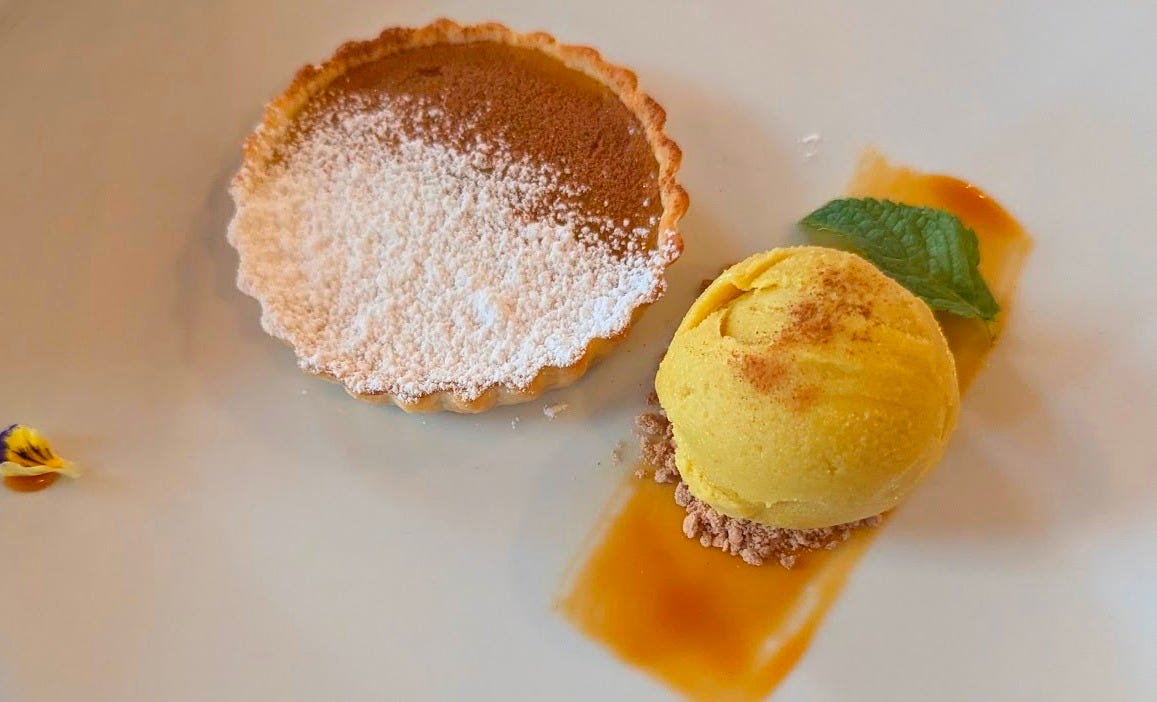
There were a lot of dilapidated buildings in the heart of Lisbon. This is partly explained by Portugal’s weird inheritance laws, which reserve a share of an estate for close family only. Over generations, a single property can end up divided amongst dozens of family members. Often, this ends up in the building being left crumbling while they argue over what to do with it. The rest is explained by outdated rent controls that leave landlords collecting way too little to continue with building upkeep.
The GDP part of my Google Maps doomscrolling is how I found out that Portugal produces about half the world’s cork. A cork oak is usually about 25 years old at its first harvest but that cork isn’t good enough for wine stoppers. You have to wait another nine years and harvest it again, and then again. By the third harvest, roughly 43 years after planting, you generally get the quality needed for natural wine corks. So if a meteorite hit Portugal, we would lose a fairly unreasonable amount of the world’s cork supply. Speaking of meteorites, the company that’s the world’s largest cork-processor also makes heat-resistant spacecraft cork composites. Who would’ve thought?
In line with things made in Portugal, I also ended up on a random tour of a sardine factory. It reminded me a lot of electronics assembly in China or Taiwan because women were preferred for the job for their dexterity and delicate fingers, making sure the fish (in the other case, electronics components) are not damaged.
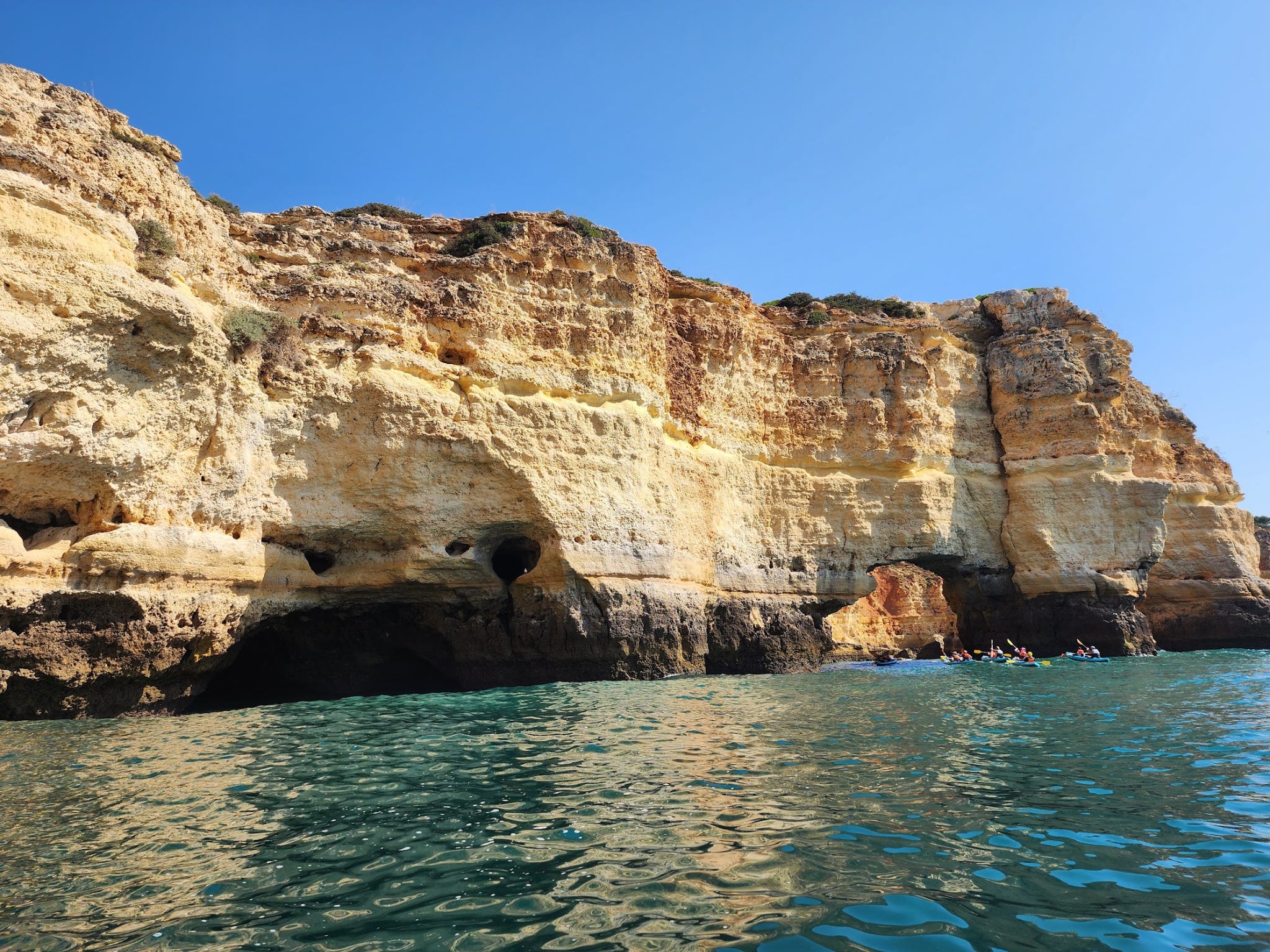
My contribution to Portuguese maritime activity was kayaking through some caves, one of which was from the windows wallpaper and another was where I saw my life flash in front of me. The latter was a pitch black cave with hundreds of crabs on jagged rock walls and waves burning with desire to flip the kayak over. With a goose egg and scraped shoulder I emerged triumphant (alive). It gave me a lot of empathy for what shipwrecks probably felt like.
This somehow led to being escorted to a seaweed ridden beach with about 8 inches of rotting seaweed on the entire shore. It clearly had not seen other humans in a long time. I do not have a photo because I was a little busy fending off potential tetanus but here’s one that comes close.
Check out one of my favorite Indian books, Tejo Tungabhadra by Vasudhendra (translated from Kannada). It crosscuts between stories set in Portugal and Vijayanagar in the 15th/16th centuries. https://www.amazon.in/TEJO-TUNGABHADRA-TRIBUTARIES-TIME-Vasudhendra/dp/0143467999/
One of my best memories in Portugal is when my family went kayaking and I stayed in and listened to the four part Portugal series from The Rest is History. https://www.trihvault.com/series/portugal-edge-world-modern